

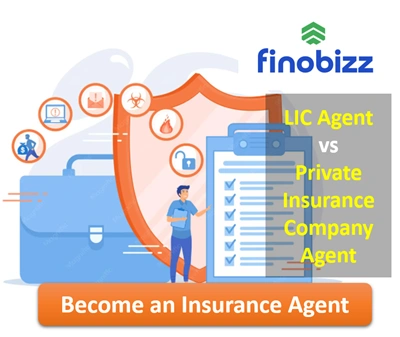
Neither path is universally “better” — they suit different strengths and markets.
An LIC agent gets India’s most trusted insurance brand, a sovereign guarantee, a massive branch network, and strong pull in rural and semi-urban markets, but works within a more traditional, largely offline sales model and a narrower product range focused on savings and traditional life plans.
A private insurer agent (HDFC Life, ICICI Prudential, Max Life, TATA AIA, Bajaj Allianz, and others) typically gets access to more modern products like ULIPs, faster digital onboarding, and often a more flexible, tech-enabled sales process — but without LIC’s century-old brand recall.
Many agents ultimately choose based on their target customer base and selling style rather than one being objectively superior. Here’s the full, honest comparison.
LIC Agent: Strengths and Trade-offs
Life Insurance Corporation of India (LIC) is a government-backed insurer with a sovereign guarantee, and becoming an LIC agent comes with some genuinely unique advantages:
- Unmatched brand trust — LIC remains the most recognised insurance name in India, particularly powerful in rural and semi-urban markets where trust matters more than product sophistication
- Sovereign guarantee — as a government-backed institution, LIC carries a level of perceived safety that’s a strong selling point, especially for risk-averse, first-time insurance buyers
- Massive scale — LIC’s Assets Under Management exceed ₹50 lakh crore, backed by a distribution network spanning zonal offices, divisional offices, and thousands of branch offices across India
- Strong claim settlement ratio — LIC has consistently reported an individual death claim settlement ratio above 97%, a genuinely persuasive statistic in client conversations
Trade-offs: LIC’s product range leans heavily toward traditional savings and protection plans rather than newer, market-linked products.
The sales process also tends to be more conventional — largely offline, relationship-driven, face-to-face selling — which suits some agents far better than others.
Private Insurer Agent: Strengths and Trade-offs
Private insurers — HDFC Life, ICICI Prudential Life, Max Life, TATA AIA, SBI Life, and Bajaj Allianz, among others — offer a genuinely different agent experience:
– Modern, diverse product range — including ULIPs, riders, and innovative term/health combinations that appeal to younger, more market-aware customers
– Faster, more digital onboarding — many private insurers have streamlined agent registration and training through app-based and online processes
– Flexible sales tools — digital illustration tools, WhatsApp-based client engagement, and CRM support are often more advanced than traditional insurer workflows
– Potentially higher blended earnings for certain products — particularly for agents skilled at selling ULIPs or high-ticket protection plans, though this varies significantly by insurer and product mix
Trade-offs: individual private insurers, however large, don’t carry the same universal brand recall as LIC — particularly outside metro and urban markets, where client trust often still defaults to LIC’s name recognition.
Side-by-Side Comparison
| Factor | LIC Agent | Private Insurer Agent |
| Brand trust | Extremely high, especially rural/semi-urban | Strong but insurer-specific; varies by company |
| Ownership structure | Government-backed, sovereign guarantee | Privately/jointly owned (often with foreign JV partners) |
| Product range | Primarily traditional savings & protection plans | Broader range including ULIPs, riders, modern term plans |
| Sales style | Largely traditional, offline, relationship-driven | Often more digital-enabled and tech-supported |
| Training process | More extensive (commonly cited 25-100 hours depending on source/era) | Varies by insurer; often faster, app-based onboarding |
| Distribution network | Extremely large – zonal, divisional, and branch offices nationwide | Insurer-specific; smaller physical footprint, growing digital reach |
| Best-suited markets | Rural, semi-urban, and trust-driven urban segments | Urban, digitally engaged, and product-comparison-driven customers |
Commission Comparison: LIC vs. Private Insurers
Both LIC and private insurers now operate under IRDAI’s Expenses of Management (EoM) framework, meaning each insurer sets its own board-approved commission structure rather than following a single universal chart. In broad, commonly cited terms:
- LIC has traditionally offered well-established first-year and renewal commission structures on its traditional and endowment-style products, with renewal income building steadily over a large, loyal customer base
- Private insurers often structure commission competitively on ULIPs and newer products, though ULIP commissions tend to run lower than traditional plan commissions industry-wide due to overall charge regulations
The honest takeaway: neither side has a permanent commission advantage — actual earning potential depends heavily on the specific products you sell, your target customer base, and each insurer’s current board-approved commission policy.
Compare current rates directly with the specific companies you’re considering rather than relying on generalized claims from either side.
Training & Registration Process Compared
| Aspect | LIC Agent | Private Insurer Agent |
| Registration authority | LIC’s own internal appointment process, alongside IRDAI’s standard requirements | The specific private insurer’s onboarding process, alongside IRDAI’s standard requirements |
| Training duration | Often cited as more extensive and structured | Varies by insurer; frequently faster and more digitally delivered |
| Exam requirement | IRDAI’s IC-38 exam applies, as with any individual agent | Same IC-38 requirement applies |
| Onboarding style | More traditional, in-person orientation in many cases | Often app-based, faster onboarding process |
Regardless of which path you choose, the underlying IRDAI licensing requirement — eligibility, the IC-38 exam, and registration — remains the same; what differs is each institution’s internal appointment and training process layered on top.
Can You Be an LIC Agent and a Private Insurer Agent at the Same Time?
Generally, no — an individual life insurance agent license typically permits you to represent only one life insurer at a time under the standard individual agent category.
This means you’d need to choose between LIC and a specific private life insurer for your life insurance agency, rather than holding both simultaneously under the same individual agent registration.
Some agents work around this by exploring routes like becoming a POSP for non-LIC standard products, or through a corporate agency structure that permits tie-ups with multiple insurers — though LIC itself is often excluded from these multi-insurer platform arrangements.
If you’re weighing this decision, clarify the exact exclusivity terms with your chosen insurer before committing.
Which Should You Choose? A Practical Decision Framework
- Choose LIC if: you’re targeting rural, semi-urban, or trust-driven urban customers; you’re comfortable with a more traditional, relationship-based sales approach; and you value the credibility of a sovereign-backed brand in your pitch.
- Choose a private insurer if: you’re targeting urban, digitally engaged customers who compare products actively; you want access to modern products like ULIPs; and you’re comfortable with (or prefer) a more tech-enabled sales and servicing workflow.
- Consider your own selling style: agents who thrive on personal, long-term relationship building often do very well with LIC’s traditional model, while agents comfortable with digital tools, comparison-driven conversations, and faster sales cycles often find private insurers a better fit.
Frequently Asked Questions
Does LIC pay higher commission than private insurers?
Not universally. Both operate under IRDAI’s Expenses of Management framework, meaning each insurer sets its own commission structure.
LIC’s traditional products have well-established commission patterns, while private insurers’ rates vary by product and company — direct comparison depends on the specific products involved.
Is it harder to become an LIC agent than a private insurer agent?
LIC’s onboarding and training process is often described as more extensive and traditional, while many private insurers have streamlined, faster, more digitally delivered onboarding—though both ultimately require the same IRDAI IC-38 exam and licensing requirements.
Can I sell both LIC and private insurance policies as one agent?
Generally, no. An individual life insurance agent license typically permits representing only one life insurer at a time, so you’d need to choose between LIC and a specific private insurer for your primary life insurance agency.
Which is better for a beginner insurance agent — LIC or a private insurer?
It depends on your target market and selling style. LIC’s brand trust makes it a strong choice for rural/semi-urban markets and relationship-driven selling, while a private insurer may suit beginners more comfortable with digital tools and urban, product-comparison-savvy customers.
Does LIC still have a larger market share than private insurers?
LIC has historically held a significant share of India’s life insurance market, particularly in group business and traditional segments, while private insurers have gained ground in individual, ULIP-linked business over the years — the exact balance shifts periodically, so current figures are worth checking for the latest picture.
Final Takeaway
The LIC-vs-private-insurer decision isn’t about picking a universally “better” option — it’s about matching the insurer’s strengths to your target market and your own selling style.
LIC brings unmatched brand trust, government backing, and a vast distribution network, ideal for relationship-driven, trust-based selling.
Private insurers bring modern products, faster digital onboarding, and tools suited to urban, comparison-driven customers.
Many successful agents build their entire insurance agent business around deeply understanding one of these ecosystems rather than trying to straddle both.